Sibling Sleepover

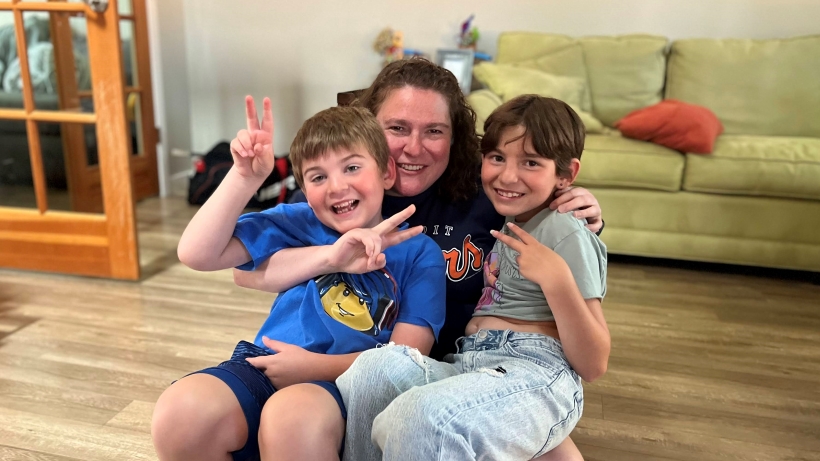
A few weeks ago something strange happened in my home. Duncan was out of town attending a conference. It was one of those Shabbat days when my kids would have to spend more time at Neveh, their second home, than at our home. We had Tot Shabbat, Kiddush Club, and a bat mitzvah service in the morning, and then we were heading back for a fun PJ Havdallah that night. And, strangely, Shiri and Matan were as close to angels as they’ve ever been. They played together, laughed together, and overall were helpful and fun to be with. After a full day of togetherness, we got home and they ran upstairs to set up a “sibling sleepover.” If you’ve got a sibling or are a parent of siblings, you know how rare this can be. 

Our Torah portion this week, Parshat Vayechi, is the final portion in the first book of the Torah. This book has shared the narrative of multiple sibling relationships, all of which were fraught with rivalry and general discontent. The end of the book, however, contains several blessings in it, including the well-known blessing of Jacob to his grandsons Ephraim and Menashe. This moment is the source of a traditional blessing given to children in Jewish homes, especially on Shabbat:

For boys, the blessing is:
יְשִׂמְךָ אֱלֹקים כְּאֶפְרַיִם וְכִמְנַשֶּׁה
“May God make you like Ephraim and Menashe.”

For girls, a parallel blessing is often used:
יְשִׂמֵךְ אֱלֹקים כְּשָׂרָה, רִבְקָה, רָחֵל וְלֵאָה
“May God make you like Sarah, Rebecca, Rachel, and Leah.”

This tradition comes from Jacob’s statement in Genesis 48:20:
בְּךָ יְבָרֵךְ יִשְׂרָאֵל לֵאמֹר, יְשִׂמְךָ אֱלֹקים כְּאֶפְרַיִם וְכִמְנַשֶּׁה
“By you, Israel will bless, saying: May God make you like Ephraim and Menashe.”

This blessing is significant because Ephraim and Menashe were the first siblings in the Torah to live in harmony, without recorded rivalry, symbolizing unity and peace—values central to Jewish tradition.

It’s a Full Life – Parshat Vayechi 5784

I have spent many hours with families as their loved ones transition from the world of the living to the next world. In a vast majority of these moments, the family will reflect on the life of the person they love who is now gone. They’ll talk about their favorite memories of their loved one, the way they lived their life, the funny anecdotes. In all of these conversations it seems that when the individual who is dying or has died had a decent relationship with their family, the living family members try to make meaning out of the death by fixing purpose to the life that was lived. “He did so much, I’m glad his suffering is over now.” “She was fierce and adventurous all the way until her last days.” “They wouldn’t want to live a life in a poor state of health; I’m grateful they died with dignity.” 

There are also times when a family is simply not ready to let go. Sometimes, even when a loved one is physically unable to care for themselves or communicate their needs, the family will pursue every avenue to prolong the physical presence of their loved one on the earth. I find these moments to be the most challenging. When we’re born we have no ability to adequately communicate our needs or care for ourselves; it takes relying on others to learn how to exist in the world. Self-reliance is one of our most valued freedoms. There is dignity in being able to care for ourselves and contribute in some way to the world around us simply through our own personal agency. This leads me to question, what does it mean to live?

This week we read Parshat Vayechi, the last in the book of Genesis. The text begins with Jacob’s request that he not be buried in Egypt, and continues with Jacob blessing each of his sons in his final hours. It ends with Joseph making a similar request of his kin to bury him back in Israel when they finally leave Egypt.

The parshah opens with the simple words “and he lived,” referring to Jacob and his life. Earlier in the Torah, Jacob made the decision to wallow in grief after he assumed his beloved son Joseph had died. Jacob, in essence, was simply waiting to die. When we read this word “lived” here, the Torah seems to suggest that things turned around for Jacob, sharing that after he was reunited with Joseph, he had a renewed will to live and as such, didn’t let any moment simply slip away. One commentator theorizes that not only did Jacob live, but he was honored and treated with dignity. The dream of a life well lived.

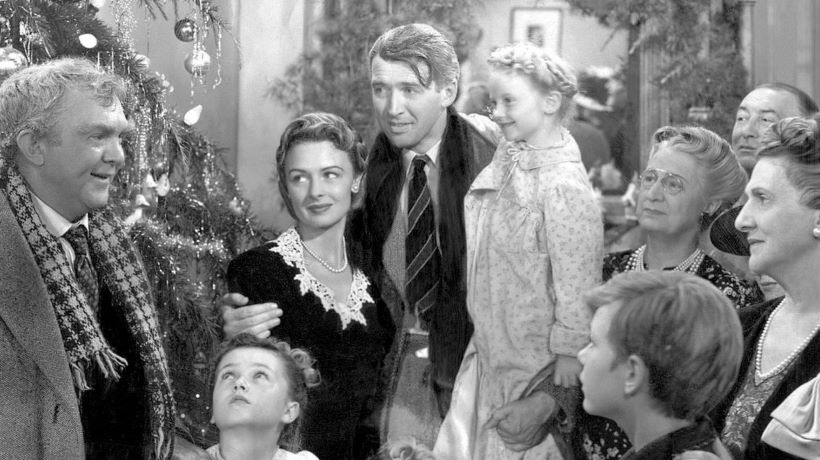
The inescapable truth of life is that one day we will die. The time in between is all that we’re given, and it’s up to each of us to decide what it means to live a full life. From a practical standpoint, hopefully we will all follow the example of Jacob and Joseph and make our wishes known to those who will carry on after us. But when it comes to “living,” the intent should be on its fullness, however you interpret that. This time of year, when it’s easy to find It’s a Wonderful Life on television (including a 24-hour marathon of the film), we can get caught up in trying to live up to some unknown standard of wonderful. However, what we’re all really seeking when our time has come is that people will say, “It was a full life.”

Close to You – Parshat Vayechi 5783

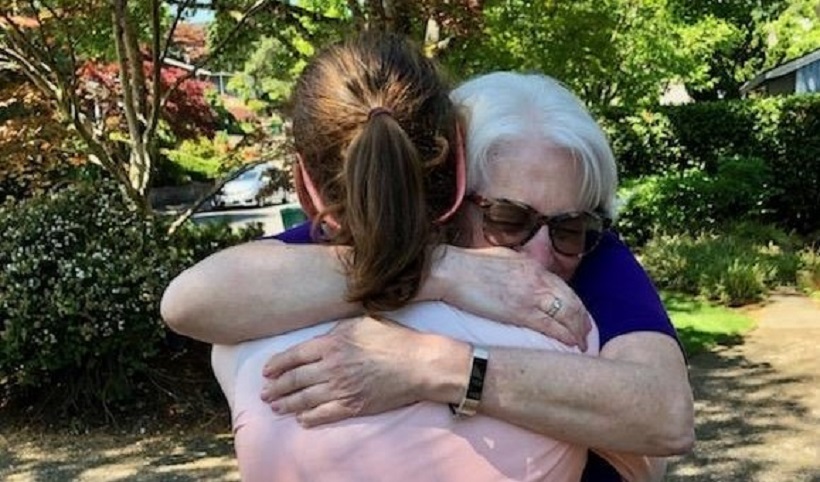
My mom is in town visiting this week, and spending time together now reminds me of that feeling when I saw her for the first time after the pandemic had kept us apart for so long. Of course I missed her hugs, her caring presence, and the face-to-face conversations, but I didn’t realize just how much I missed her until I had to wait the 45 minutes it took Duncan to drive her home from PDX. That wait was excruciating, and that first hug was like something I had never experienced before.

There was a sense of familiarity with the feeling of sending my oldest to Camp Solomon Schechter for six days. I knew what missing a parent felt like, but I had no idea what it felt like to be the parent waiting to be reunited with my child. And similarly, it was the 90-minute drive home, while I waited patiently for her arrival, that was the hardest part of her time away. The human condition is set to miss and yearn for loved ones, and we are acutely aware of this because we feel it so deeply.

This week we read Parshat Vayechi, the last in the book of Genesis. The text begins with the request of Jacob to not be buried in Egypt, and continues with Jacob blessing each of his sons in his final hours. This text ends with Joseph making the request of his kin to bury him back in Israel when they finally leave Egypt.

Throughout the last number of Torah portions, we’ve seen the reactions as family members reunite after time apart: Jacob and Esau, Joseph and his brothers, and then more intimately Jacob and his son Joseph. Each one is described with intense emotion and connection. In the past, I don’t think I truly understood the emotional charge of a long absence of physical presence. It seems like I’ve lived a lifetime since my father and grandparents passed away, and I miss them immensely, but I know they’ll never be back for a hug. 

In Parshat Vayechi, as we see Joseph “fling himself upon his father, weep and kiss him” when he dies, we are reminded of the emotional intensity in the space between physical presence and physical separation. The longing I felt in 2020 to hug my family, and the week of longing for my own child, gave me new perspective on how much that closeness really means.

Can You Believe It? – Parshat Vayechi 5782

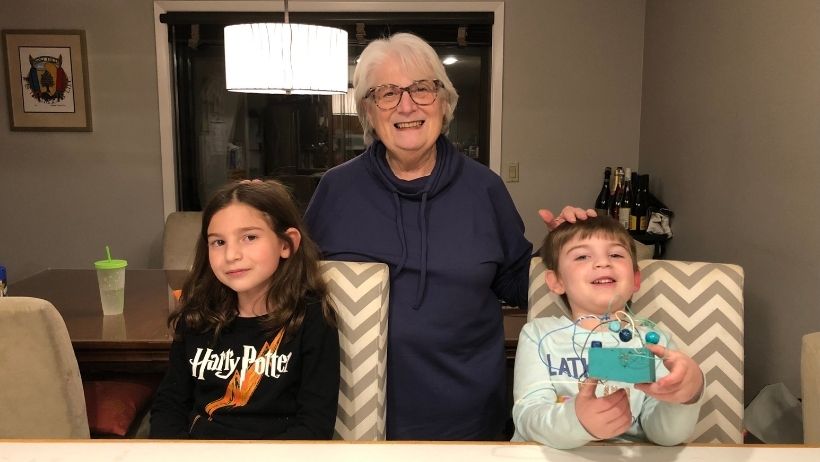
One of the questions that I often struggle to answer is the one that asks why I believe in God. Yes, sometimes I question God, but I always believe in God. Why do I let that faith guide me in the world? The reason it’s hard for me to answer is because in a certain sense, I’ve never had the choice. I mean, yes, I could’ve chosen not to observe Judaism and gone off on my own different path than my family, but it was never a choice I considered. I believe in God because I was raised in a family that believes in God, and it was instilled in me that belief in God is hopeful and reinforces the sense that the world is bigger than me or this moment. Belief in God connects me to my parents, grandparents, great-grandparents, all the way through our lineage to Abraham. Put simply, I believe in God because I do. For me, that’s compelling enough. 

This is not to downplay or denounce the very real crises of faith people experience. Many wonder if God exists, if God has ever existed, and why it even matters. In our Torah portion this week, we get the notion of why it matters, and we receive the reasoning for transferring this belief from generation to generation. 

This week we read Parshat Vayechi, the last in the book of Genesis. The text begins with the request of Jacob to not be buried in Egypt, and continues with Jacob blessing each of his sons in his final hours. This text ends with Joseph making the request of his kin to bury him back in Israel when they finally leave Egypt.

Toward the end of the Torah portion, we read about the grandfather’s blessing. Joseph takes his children Ephraim and Menashe to his father Jacob for their blessing. As Jacob blesses the children he says, in chapter 48, verse 16, “In them may my name be recalled, and the names of my fathers Abraham and Isaac.” The blessing he invokes upon his grandsons is that they may find faith in the actions of their forefathers (our forefathers) and that that faith will benefit them with strong belief in God.

Rabbi Shneur Zalman of Liadi, the founder of Chabad, comments on this verse to say, “The most valuable legacy we can leave our children and grandchildren is bequeathing to them the faith that sustained us.” In other words, the transmission of faith supersedes transmission of material wealth. As far back as the Torah, we learn that blessings and family values are what matters.

Parshat Vayechi reminds us that it’s not just our faith that makes up our Judaism, but equally important is where that faith comes from and how it’s passed down. Interestingly, the Gregorian calendar has given us this parshah twice in 2021 (once in January and once in December). I hope you’ll take this extra push to reconnect with our faith and possibly get closer to the answer of why you believe. And then, of course, pass it on.

“Benefit of the Doubt” is a Jewish Value – Parshat Vayechi 5781

I try not to hold your outbursts against you. What I mean is that everyone has their Jekyll and Hyde moments. It starts as children, when the sweetest child can suddenly grab a toy from another child or scream uncontrollably, seemingly from out of nowhere. Of course these outbursts change as we grow and mature, but they still happen to adults. Something might set you off and cause a sudden and uncharacteristic personality shift. When this happens it can be startling, but I know this temporary emotion is not really you, just as you know it’s not really me. 

It’s only when our actions and our moods – good or bad – become more regular that they start to define us. As bad as misplaced meanness might seem in the moment, there’s a difference between having one bad day and taking it out on someone versus constant yelling or always bullying. In the Torah portion this week, Parshat Vayechi, Jacob teaches us about this difference too.

This week, Parshat Vayechi, which is the final section of text in Sefer Bereshit (Genesis), tells of the deaths of both Jacob and Joseph and of their final moments with family. In his final moments, Jacob blesses Joseph’s sons and all of his own children. He promises in this blessing to tell them what will happen to them in the future, but instead, he actually shares with each child their special gifts and character. 

As Jacob is giving the blessings to each of his children, he is careful to focus on their actions as they relate to who they are. For instance, about Simeon and Levi he says, “Their weapons are tools of lawlessness . . . when angry they slay men.” He doesn’t say that Simeon and Levi are lawless or always angry; he qualifies it. Jacob does this in turn for each of his children. He mentions their behavior, but makes it clear he’s not saying his children are their behavior.

So often in the world our first impressions of someone will color how we perceive them throughout our relationship with them. So if that first meeting is tinted with anger or an off day for some reason, it’s hard to disassociate that experience from them. Seeing someone once on one day isn’t seeing who they truly are the other 364 days of the year.

Appropriately, Vayechi means “and he lived.” It reminds us that our lives are complex and filled with ups and downs. We make poor choices, and we have bad days. However, each of us as a human being is the total of all our actions, not just one action. Dan l’chaf zechut is the Jewish value of giving the benefit of the doubt. Jacob reminds us of this value when describing his sons, and our task is to build a world in which the benefit of the doubt is simply automatic.