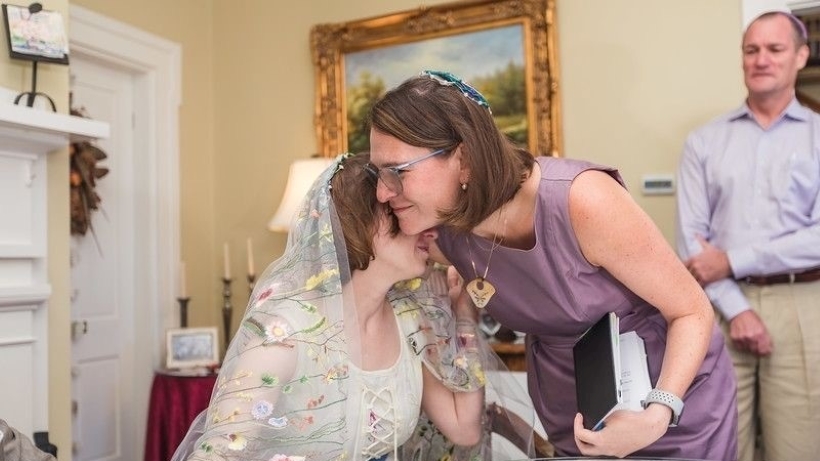
Bless Those in Need of Healing

I’ve written before about my time in rabbinical school when I did a summer unit of Clinical Pastoral Education. Over that summer I worked 40-hour weeks in a level one trauma hospital. Each day I would do rounds of my assigned units and offer to pray for each patient. From what I observed, my colleagues of other faiths were easily able to access extemporaneous prayer, partly because they weren’t relying on a specific prayer for healing as we have in Judaism. However, I was regularly drawn to the words of our prayer for healing, the Misheberach L’cholim. These Hebrew words literally translate to: “To the one who blesses the sick.” 

It’s in this week’s parshah when the first blessing of the ill is offered, and we actually see several variations. This blessing in Parshat Vayera doesn’t look quite like it does today. In the Torah, the messengers of God come to visit Abraham as he’s healing from his circumcision. They model what it looks like to visit the sick. Following this experience we see Abraham bargain with God on behalf of the people of Sodom and Gemorrah; begging for an injunction to save their lives is also a prayer for healing. The text ends with Hagar begging for sustenance, its own form of healing, as she and Ishmael are banished from Abraham’s house, and then finally Abraham’s proclamation of presence at the binding of Isaac. 

Together these segments of text teach us that part of our work in community is to be in the blessing process with each other. We can show up so those in need of healing are not alone. We can pray, and we can also offer resources. We can send meals or participate in a Meal Train. Each of these acts and more are a part of the blessing of healing the sick. 

For more:

The Story Behind Debbie Friedman’s Beloved ‘Mi Sheberach’ Melody
Jewish Prayer for the Sick: Mi Sheberach

For Safe Travels

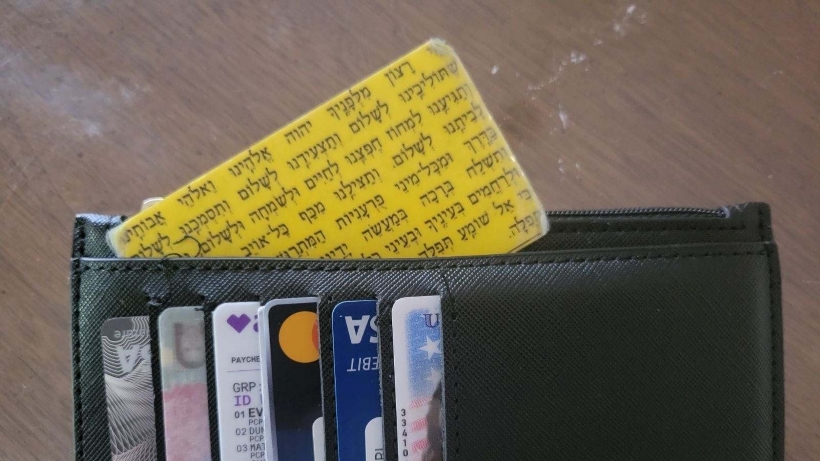
I can’t quite remember when, but sometime around 30 years ago my father made me a small business card with the traveler’s prayer on it. It was on laminated yellow cardstock and has resided in my wallet ever since, growing tattered over the years. At some point, it fell apart and Duncan, knowing how much it meant to me, made a new set for me. My attachment to this distressed and faded yellow card was as much about the fact that my father gave it to me as it was about the narrative of protection on our journeys.

This week we read Parshat Lech Lecha, where God famously beckons Abraham to travel from the only place he’s known as home to a new place that Abraham has never seen before. I can only imagine how terrifying this might have been, and yet Abraham agrees to the journey. Why? Because God promises that he will be a blessing.  

Whether it’s a short trip from your home to camp in the summer, or venturing out to explore the world, the traveler’s prayer can connect us to our hearts, and the grounding of home.  

If you’d like to print your very own copy of the traveler’s prayer, PJ Library offers a cut-and-fold version in English that’s easy to take along: https://pjlibrary.org/beyond-books/pjblog/december-2018/printable-travel-blessing

יְהִי רָצוֹן מִלְּפָנֶיךָ ה’ אֱ-לֹהֵינוּ וֵא-לֹהֵי אֲבוֹתֵינוּ, שֶׁתּוֹלִיכֵנוּ לְשָׁלוֹם וְתַצְעִידֵנוּ לְשָׁלוֹם. וְתִסְמְכֵנוּ לְשָׁלוֹם. וְתַדְרִיכֵנוּ לְשָׁלוֹם. וְתַגִּיעֵנוּ לִמְחוֹז חֶפְצֵנוּ לְחַיִּים וּלְשִֹמְחָה וּלְשָׁלוֹם וְתַצִּילֵנוּ מִכַּף כָּל אוֹיֵב וְאוֹרֵב וְלִסְטִים וְחַיּוֹת רָעוֹת בַּדֶּרֶךְ וּמִכָּל מִינֵי פֻּרְעָנִיּוֹת הַמִּתְרַגְּשׁוֹת לָבוֹא לָעוֹלָם וְתִשְׁלַח בְּרָכָה בְּכָל מַעֲשֵֹה יָדֵינוּ, וְתִתְּנֵנוּ לְחֵן וּלְחֶסֶד וּלְרַחֲמִים בְעֵינֶיךָ וּבְעֵינֵי כָל רוֹאֵינוּ וְתִשְׁמַע קוֹל תַּחֲנוּנֵינוּ. כִּי אֵ-ל שׁוֹמֵעַ תְּפִלָּה וְתַחֲנוּן אָתָּה: בָּרוּךְ אַתָּה ה’, שׁוֹמֵעַ תְּפִלָּה.

Recurring Covenant

Parshat Noach, our Torah portion this week, is famous for the two central accounts that take place: first, the flood of the earth to drown out those who were not righteous, second the Tower of Bavel and the subsequent spreading out of the nations and languages. These two narratives are bridged together by the expectations for humankind to behave in an honorable and righteous manner and the covenant established between God and the generations to come, symbolized by the rainbow. 

In our parshah, chapter 9 verses 12-16, the rainbow officially takes new meaning. The text states: “God further said, “This is the sign that I set for the covenant between Me and you, and every living creature with you, for all ages to come. I have set My bow in the clouds, and it shall serve as a sign of the covenant between Me and the earth. When I bring clouds over the earth, and the bow appears in the clouds, I will remember My covenant between Me and you and every living creature among all flesh, so that the waters shall never again become a flood to destroy all humankind. When the bow is in the clouds, I will see it and remember the everlasting covenant between God and all living creatures, all flesh that is on earth. That,” God said to Noah, “shall be the sign of the covenant that I have established between Me and all flesh that is on earth.” 

Rambam, the great medieval commentator Rabbi Moses ben Maimon, teaches that the rainbow is a sign of God’s covenant not to destroy the world again, a sign of peace. This sign is the only phenomenon that had already existed in the world that becomes invested with a new symbolic significance. The rainbow, in Hebrew keshet, represents all of the different shades and colors of our world bound together in a single instance. It stands as a reminder that while each of us has our differences, those differences should never push us apart. And just as importantly, it sets an example of how we should keep our promises to each other, as God did to us. 

When we see a rainbow, we are obligated to say the following brachah:

בָּרוּךְ אַתָּה ה אֱ לֹהֵֽינוּ מֶֽלֶךְ הָעוֹלָם, זוֹכֵר הַבְּרִית, וְנֶאֱמָן בִּבְרִיתוֹ, וְקַיָּם בְּמַאֲמָרוֹ.

Blessed are you, Adonai our God, ruler of the world, who remembers the covenant and is faithful to it and stands by his word. 

Even today, every rainbow we see is a reminder of God’s relationship with humankind. More than that, when we take the time to take in the rainbow, to pause and remember that the covenant God made comes with expectations of humanity to treat one another with kavod, respect, we renew our covenant with God and create a kehillah kedosha, a holy community.

And It Was Good

How often do you take the time to take a step back, zoom out, and just marvel at a moment in time? What about a project or event? When I officiate at a wedding I often ask the couple as they stand under the chuppah to turn around and look at the faces of everyone who has come to hold them in their celebration. I do this so that everyone in the space can be present and purposefully take in the joy and connection of this moment.

So often we all struggle to look beyond the myriad of trees to see the entire forest. We only see the minute details and forget to pause and take a beat to really live in those special moments. 

As we read Bereshit, the creation story, God’s reaction to each act of creation serves as a reminder to pause and marvel at moments. After each part of creation, the text teaches us that God “saw that it was good.” This action models presence and gratitude in a way we might not be accustomed to. 

And, there happens to be a blessing for it: 

Baruch atah Adonai, Eloheinu melech ha’olam, hatov v’ha’meitiv.

Blessed are You, Adonai our God, Presider of the Universe, the one who is good and makes good. 

May we practice being present and sharing in these moments of goodness. 

The Anatomy of a Blessing – Sukkot 5785

Shannah tova! Here we are at the very beginning of a new year, which means it’s an opportunity to look back at the year(s) past and look forward to what lies ahead. It’s almost hard to believe I’ve written a weekly divrei Torah for 14 years straight. In other words, I’ve written my own version of commentary on the Torah 14 times over.

Over this time, my weekly and yearly practice has been to look at the Torah through the lens of our present world and relate it to contemporary life in some way. This year our congregation is focusing on the concept of blessings and the ability to respond with “amen.” A blessing is a way to mark a moment in time or an experience, and saying “amen” affirms and confirms that these moments and the people in them are seen and noticed. 

I was inspired by this year’s theme to offer a slight twist on my weekly writing. This year I will do my best to relate each parshah, each portion of the Torah, to a relevant blessing that can be said in our daily lives. 

On the High Holidays, Mel Berwin talked about the anatomy of a blessing. Each blessing begins with the words “Baruch Atah” (Blessed are You) reminding us that blessings are between God and the individual. But the next set of words “Adonai Eloheinu” (Adonai/HaShem our God) expands the blessing from a one-on-one relationship with God to the communal with the addition of first person plural. And finally “Melech HaOlam” (Ruler/creative energy of the universe) broadens this connection even further to the whole universe, the bigger picture that ties us to the past and future as well. 

As we begin Sukkot and say a variety of blessings to usher in the uniqueness of the holiday, from leisheiv basukkah (sitting in the sukkah) to al n’tilat lulav (shaking the lulav) to the Shehecheyanu, may we use these blessings as opportunities to find and recognize other blessings in our lives and hopefully tap into some much-needed joy along the way.