Hate is a Strong Word – Parshat Devarim 5783

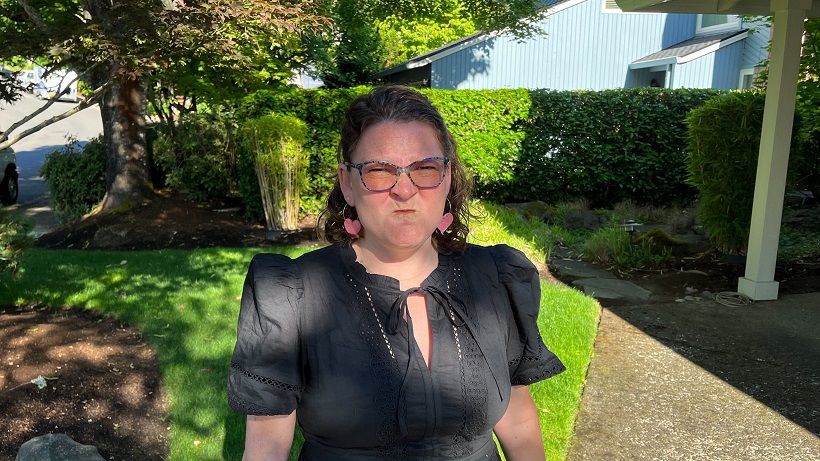
As the parent of a 6-year-old and 9-year-old, I think I’m relatively immune to the jabs they throw at me when we set down a boundary. When you’re a child, boundaries feel more like punishments than safety precautions. This, of course, means they’re quick to hurl at us a line like “You’re being unfair!” or “He gets to do this, so why can’t I?” or worst of all, but not unheard of, “I hate you!”

Despite my children’s belief that boundaries make me a terrible parent, setting clear expectations and limits is a critical part of parenting. What’s important isn’t that they like the rules, it’s that they understand them. That’s the thing about setting boundaries: both parties need to understand their purpose. If you set a boundary without explanation, it leads to all sorts of questions and distrust. Instead, establishing clarity in boundaries is how we best move forward. We learn this too in our Torah portion this week. 

Parshat Devarim begins the final book of the Torah, which shows the Israelites totally unmoored by the change in leadership and location ahead of them. Devarim stresses the covenant between God and Israel and looks toward Israel’s future in a new land as they build a society that pursues justice and righteousness. The central theme of this section of text is monotheism, the belief in one God, and building a society around the laws we’ve been given over the course of the four previous books.

As the narrative of this last book continues, we see the Israelites trying to find their place and larger purpose in their post-Egypt society. In the first chapter, they appear flummoxed and exasperated. They say out loud in verse 27, “God hates us.” This reaction is not totally unexpected. After all, they’ve lived through some pretty challenging times in their exile and wandering. Ever since they left Egypt, they feel as if they gained their freedom only to be handed more and more rules and responsibilities. It’s a childlike behavior, in a real way. Young children, and even occasionally tweens and teens as well, tend to forget or ignore all the things they are given, like food, shelter, love, not to mention life itself. They focus only on what they wanted but didn’t receive. And, being the overreactors that they are, the word “hate” might get thrown around.

The Israelite nation is a toddler nation, so to speak. We read this section of text to remind us that while being let down feels terrible, part of maturing is learning the value of hakarot hatov, or “recognizing the good.” With age (of an individual or a society) comes the experience to be able to look at the grand scheme of things. 
In It Together – Parshat Matot-Masei 5783

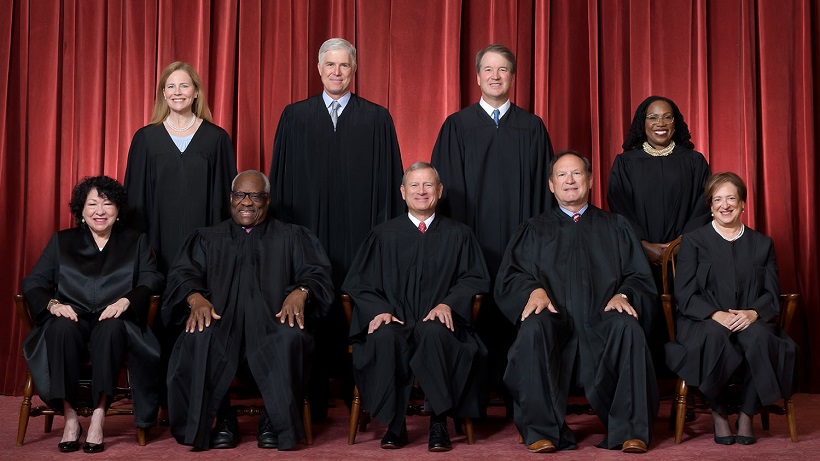
Is the Supreme Court an example of democracy in action? That’s not meant to be flippant; the recent slate of decisions handed down from our highest court prompts me to ask: Does the fact that one person is in charge of Supreme Court Justice appointments make the Court less democratic by nature? I think there are arguments for both sides. For example, you could say that because our president is elected through a democratic process, the Supreme Court is (indirectly) representative of the people, at least at a certain period in time. On the other hand, if a president loses the popular vote, meaning that the president’s party views may not necessarily represent the majority, does that contradict this idea? 

Unanimity is rarely achieved in any setting where different opinions are represented. One side is almost always going to be the minority. Yet, putting the SCOTUS appointment process aside for a moment, even when there are “winners” and “losers,” there’s still something reassuring about being part of a greater deciding body. Making decisions on your own, in a silo, can feel like a pretty heavy burden to bear, while group decision-making provides support, reassurance, and safety in numbers. This is actually echoed in the Torah we read this week. 

In our parshah this week we read the final sections of text from the fourth book of the Torah, Bamidbar. Parshiyot Matot and Masei begin with a discussion of the different vows Israelites might make, and then they detail the requests of the various tribes as they get ready to enter the Promised Land. The chapters end with the final placements of all the tribes as they prepare to divide their land inheritance.

As the land appointments are given out, there is a noticeable shift in verb forms. While so many of the instructions are given in the singular, at this moment, chapter 34, verse 18 switches to the plural: “And y’all shall take . . .” The word tikchu is second person plural. Who are “y’all” in this case? Up until now, this has been about one tribe or the other, so the sages say that this refers to both Eleazar and Joshua, a team who oversees this land distribution.

Governance is critically important, and it’s not a solo task. At the end of this turning point in the Torah, the text reminds us of the power of being in it together. Decisions are best made not in isolation, but rather in partnership, in which we can discuss the impacts and the future that will come from them. Eleazar was a priest, while Joshua was a different kind of leader, and together, their combined expertise offered the best outcome. That’s the lesson of community.

For Our Children – Parshat Pinchas 5783

Do you have a will? How about an advance medical directive? Do you have an estate plan? Have you shared your burial wishes with someone, in writing? I’m asking this of every adult over the age of 18. If you answered “yes,” then mazel tov, and thank you for planning ahead. If the answer is “no,” let’s have a chat. I know that these questions can be uncomfortable to answer, as they immediately remind us that our time on earth is finite, but it’s imperative to make these plans not just for your own peace of mind, but also as an act of love and respect to those who will be alive and carry on in your absence. As it is often said, it won’t kill you to talk about death (but planning can potentially improve the lives of others).

You may be asking why I, just shy of my 41st birthday, am so passionate about this topic. For starters, my mother is a CPA who specializes in estates and trusts, so some of the need to prepare runs in the family. Secondly, it may seem obvious, but our children and our dog need to be cared for in the event of our passing, and that’s not a decision we wanted to postpone. Finally, I plan for the future because the Torah tells me to.

Parshat Pinchas includes the narrative of the daughters of Zelophechad still stands as an important case for Jewish inheritance law. It wasn’t until they spoke up that God and Moses recognized the need for guidance and provisions for all children, not just the sons. At this moment, God changes the law to make sure that these daughters are cared for. If you argued that the strictures associated with the laws about things like who they could marry were unjust, you’d certainly win; later rabbinic authorities pushed even further in the Talmud and then the Shulchan Aruch to permit daughters to inherit half of what sons would. And when that wasn’t good enough, Rabbi Ben-Zion Hai Ouziel, the Sephardic Chief Rabbi of Israel from 1939 to 1953, believed even in the early 20th century that women could vote and be elected, serve as judges, and use birth control for health reasons. He made an enactment in Israel that put a daughter’s inheritance on equal footing with a son’s. 

The Torah and subsequent legal texts spend a great deal of time establishing inheritance and plans for the end of life because they’re essential to keeping a semblance of peace during an incredibly emotional time. We cannot know one’s thoughts or intentions after they’ve died, so planning ahead is the only way to be clear and fair. Plus, preplanning for your burial not only saves a lot of stressful decision-making, but also ensures that you can ask for Jewish burial rituals like taharah, the ritual preparation of the body. And while it may sound a little crass, the reality is that prepaying for your own arrangements means you can use those credit card points or miles to take a vacation you actually get to enjoy.

Writing your advance medical directive and making sure your next of kin are aware of your desires takes the guesswork out of what is already a traumatic process. Having a will allows you to share the ways in which you want your property divided and can save a lot of family strife. But beyond the physical items you’ll distribute or your wishes for end-of-life care, writing an ethical will is a way in which your values and ethics can be cherished and passed down for generations to come. Parshat Pinchas guides us in this essential aspect of life – preparing for death – and there’s hardly a more compassionate, caring gift you can give.

Transition, Transition! – Parshat Chukat-Balak 5783

The scene in Fiddler on the Roof where Tevye and the rest of the town sing about tradition really resonates with me, but not for the reasons you might think. While I often accept tradition as the “why” for what we do as a Jewish people, I also question it. For me, this song always had a certain tongue-in-cheek element, satirizing a much bigger moment of “why.”

As Jews, so much of what we do falls under the “we do this because we’ve always done this” reasoning. In large measure, that’s true, but the ways in which we question and then change those traditions are also distinctly Jewish. Consider the example that, for many decades now, we have had women as clergy.

This week we read a double parshahParshat Chukat–Balak, which is full of plot twists and new experiences for the Israelites. In both of these stories, we see the Israelite people nervous about what comes next and concerned about what they are responsible for. The lands of Sichon and Og are conquered, both Miriam and Aaron die, and we learn that Moshe will not be allowed to enter into the land of Israel. Chukat details the significance of a month of mourning, with a focus on the passing of Miriam and Aaron. Balak asks us to examine our preconceived notions when we view others. And together, they teach us about transition.

Why is there this focus on processing death? Why is transition a necessary part of tradition? It’s partly because in this week’s double portion, the Israelites expose their grief, and God prescribes a way to deal with this loss and move forward. It’s the most human of emotions, with a very human way of responding attached to it. The Torah tells us that when someone dies, we have concrete actions to take. It’s a series of steps: do this, then do this, then do this. The Talmud continues this instruction by adding more specific laws to shiva, the first seven days of mourning, sheloshim, the first 30 days, and then the entire year.

The crux of each of these texts is how we respond to change, and specifically loss. The Jewish traditions of mourning we still practice today originate right here. To be honest, transition isn’t easy for me, and it’s these traditions that are why I love Judaism.

Hold Me Back – Parshat Korach 5783

I can sympathize with Korach. That’s not to say that what he and his followers did was right, but I know what it’s like to be consumed by strong emotion. If you know me, you know I’m passionate when it comes to certain subjects. One of the hardest things for me to do is stop myself from going all in and throwing everything I have behind a cause when I’m sure that I’m right. On the one hand, I think it’s important to have opinions and make them known. On the other hand, speaking your mind can sometimes rub people the wrong way.

The good news is I’ve learned many tricks over the years to manage this passion. I might ask a friend or colleague who’s with me to give me a sign that I’m in that “zone.” Or if there’s time, I might discuss the situation in advance to get feedback on my emotional level first. I’ve also learned the valuable lesson of being able to excuse myself to catch my breath before doing or saying something I’ll regret. I’m a natural redhead; fury is my language, and occasionally it can be put to good use.

Of course, the electrical charge of acting on emotion can come with consequences, which is clear in our Torah portion this week. This week we read Parshat Korach, the narrative detailing the revolt of Korach, who breaks apart the priesthood and prepares a revolt, while Datan and Aviram, two other troublemakers, begin a revolt of their own. Chaos breaks out in the camp, and those who don’t see a purpose to the fight pull away, which turns out to be solid decision-making, as the earth opens up and swallows Korach and his followers.

As we know from Parshat Noach, God promised never to destroy the entire world again. Clearly, that doesn’t stop God from momentarily becoming outraged and destroying groups of humanity because the rage is too great. That happens this week when Korach and his followers cannot restrain their dissent, and take physical actions to make their story known. Unfortunately, they go well beyond respectful dialogue and dissent.

Regarding this moment, the Talmud in tractate Hullin shares: “The world exists on account of people who are able to restrain themselves during a quarrel.” Rabbi Simcha Bunim, a key figure in Hasidic Judaism in 18th-century Poland, further explains that because Korach and his followers were not able to do that, the earth gave way and swallowed them. It’s a fairly apt metaphor; this is truly what happens when we’re not able to take a pause and gain control. It’s easy to be “swallowed up” in our emotions and personal feelings. It’s easy to temporarily let go of rational thought, despite the consequences. Parshat Korach reminds us that we can disagree without getting swallowed up in the silos of our own thinking.