Up to Code – Parshat Metzora 5779

up-to-code.png

A year and a half ago, Duncan and I decided to move forward with a major renovation of our home. We were desperate for more space for our growing family and wanted our house to fully function for our daily needs. As we started the process, it became clear that given the age of our home we needed to test for lead and asbestos. Chances were slim, but better safe than sorry. Different people came to our house and took what you might call biopsies of our walls to determine if there was anything that would be poisonous to the people who would come in contact with the inside of those walls as they reconstructed our space.

Even though we believed our house was pretty low-risk (it was built in the 1980s), was it possible we had been living in our house for four years while our son and daughter were being exposed to dangerous substances? Was our house suddenly no longer this safe space we assumed it was to raise our family? And then if they started construction, would the dust particles spread and contaminate everything? We couldn’t be 100% sure until the tests all came back safe.

Asbestos and black mold might be the modern dangers of the past few decades, but concern about the safety of our living spaces goes back as far as the Torah. This week’s Torah portion, Metzora, is a pause in the narrative between the death of Aaron’s sons and his mourning process and then rejoining the community. The text details the healing and purification processes of physical buildings and our nation of Israel. These processes require different actions for different circumstances.

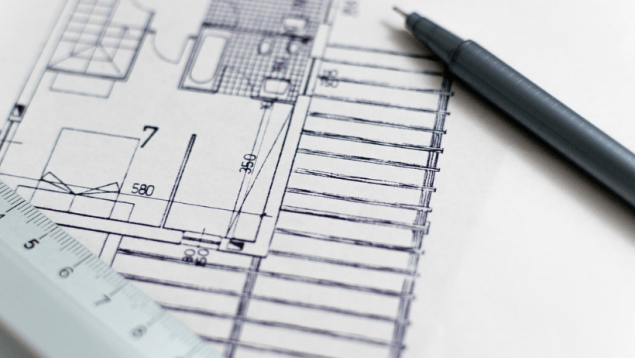
Chapter 14, verses 33-53 deal entirely with construction. That is to say that this section of text is entirely devoted to making sure that we are aware that our homes and buildings are holy vessels that help to sustain life, and if they are not safe spaces, then our community is at risk.

It is a Torah mandate to make sure that our living spaces are safe. Whether this means making sure we are lead free or asbestos free, or that our homes have safety measures in place for fires or other destructive forces, it is imperative that we are creating warm, loving, and safe environments for our children to grow in. While doing the construction served a much bigger purpose than checking for harmful toxins in our sacred family space, I was still glad to know that our home was and is as safe as we can make it for our children and all who come to play there.
In the Heat of the Moment – Parshat Tazria 5779

heat-of-the-moment.jpg

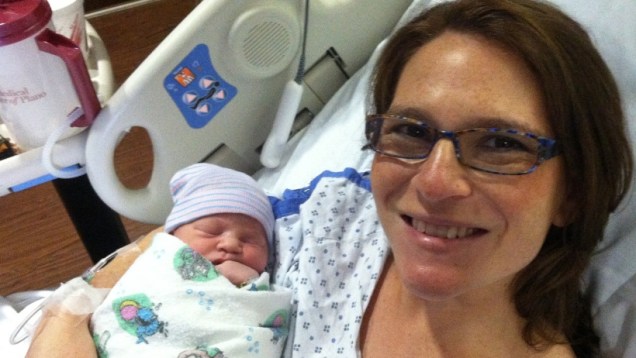
I’m in that category of women who have never actually experienced a contraction or labor pains. Because of a fluke eye hemorrhage, I was required to have my daughter via C-section and subsequently chose to deliver my son that way as well. I didn’t go into early labor in either case, so clearly both of my children were perfectly content to remain where they were. Both arrived at full term on their due dates via the skilled hands of my medical team.

It may sound like I ended up with the easier option, avoiding labor, but a C-section is no picnic either. There was plenty of pain and discomfort involved, especially in the recovery process. In fact, I’m sure when I took those first few steps in my hospital room after Shiri was born, I vowed I would never go through that again. But then of course I did. And I’m certain I’m not the only woman to have sworn off childbirth while in the pain of labor or the recovery after a C-section. Even our ancient texts cover birth in a variety of ways besides just the ancestry side.

This week we read from Parshat Tazria, one of two portions in the Torah that deal explicitly and fully with transitioning in and out of states of purity. The text begins with the notion of “impurity,” specifically the transitional states after childbirth, and continues with the treatments and prescriptions for what to do when a person is in need of cleansing of both body and material items in order to reenter the world.

The text begins with the offerings a woman must make after she gives birth. This is seen primarily as an offering of gratitude for having survived the experience of childbirth; however, a commentator from the Talmud in Tractate Niddah teaches that this offering is to annul a vow of “never again” that a woman might make after the pain of giving birth. The creation of new life is powerful, spiritual, and painful, and the text in this week’s parshah is aware of this enough to understand that in the heat of the moment we might make statements we don’t mean to uphold.

Whether in regard to childbirth or any physically or emotionally draining experience, the Torah gives us the ability to atone for our poor choices, even our choice of words. While we always want to choose our words carefully, this is a helpful reminder that no one is perfect. The best we can do is acknowledge our shortcomings and our unintended vows so we can move on and do better.